

How to Treat Skin Pigmentation Safely: A Step-by-Step Guide
Table of Contents
- Step 1: Get a Proper Assessment Before You Treat Skin Pigmentation
- Step 2: Choose Ingredients for Hyperpigmentation That Match Your Skin
- Step 3: Build a Sunscreen for Pigmentation Into Every Morning
- Step 4: Understand Laser Treatment for Pigmentation Risks Before Booking
- Step 5: Know How Long Pigmentation Treatment Takes
- Common Mistakes That Make Pigmentation Worse
- Conclusion: Treating Pigmentation Safely at The Skin Code
- Frequently Asked Questions
Last Updated: October 19, 2026
Step 1: Get a Proper Assessment Before You Treat Skin Pigmentation
Skin pigmentation is a broad term for uneven colour on the skin, from melasma and sun spots to post-inflammatory marks left by breakouts, and knowing how to treat skin pigmentation starts with understanding which type you have. It is not one condition, so it does not have one fix.
At The Skin Code in North Sydney, NSW, we see this constantly. Two people with "dark spots" can need completely different plans. One has sun damage. The other has hormonal melasma triggered by heat and light. Treat them the same and one gets worse.
So before you buy anything, get assessed. A proper skin consultation looks at:
- Your pigmentation type and depth
- Your skin tone and sensitivity
- Possible triggers (hormones, medication, sun exposure)
- Your history with acids, retinoids and past treatments
This matters because the wrong active can irritate your skin and deepen the mark. If you want a clinical opinion near you in North Sydney, book a consultation rather than guessing from a shelf.
Step 2: Choose Ingredients for Hyperpigmentation That Match Your Skin
The best ingredients for hyperpigmentation are the ones your skin can tolerate long enough to work. Strength means nothing if your skin reacts and you stop after a week.
Look for actives that both fade existing colour and slow new pigment forming. Our corrective serums are built around this idea, and they are not all the same.
What to Look For in a Corrective Serum
Match the serum to your concern and your skin's tolerance:
- Arbutin and niacinamide for uneven tone and dullness. Our Arbutin & B3 Serum is a gentle, water-based option at $55.00 for 30ml.
- Tranexamic acid, niacinamide and glutathione for stubborn dark spots and post-inflammatory marks. The Anti-Mela Toning Serum 30ml targets discolouration while calming inflammation, at $93.00.
- A broad corrective for melasma, age spots and freckles. Brite Lite 30ml inhibits excess pigment formation and suits most skin types, at $148.00.
Start with one serum. Add a second only once your skin is settled.


Step 3: Build a Sunscreen for Pigmentation Into Every Morning
The right sunscreen for pigmentation is a broad-spectrum one you will actually wear every single day. Sun exposure is the main reason pigmentation comes back, so sunscreen is not optional. It is the treatment.
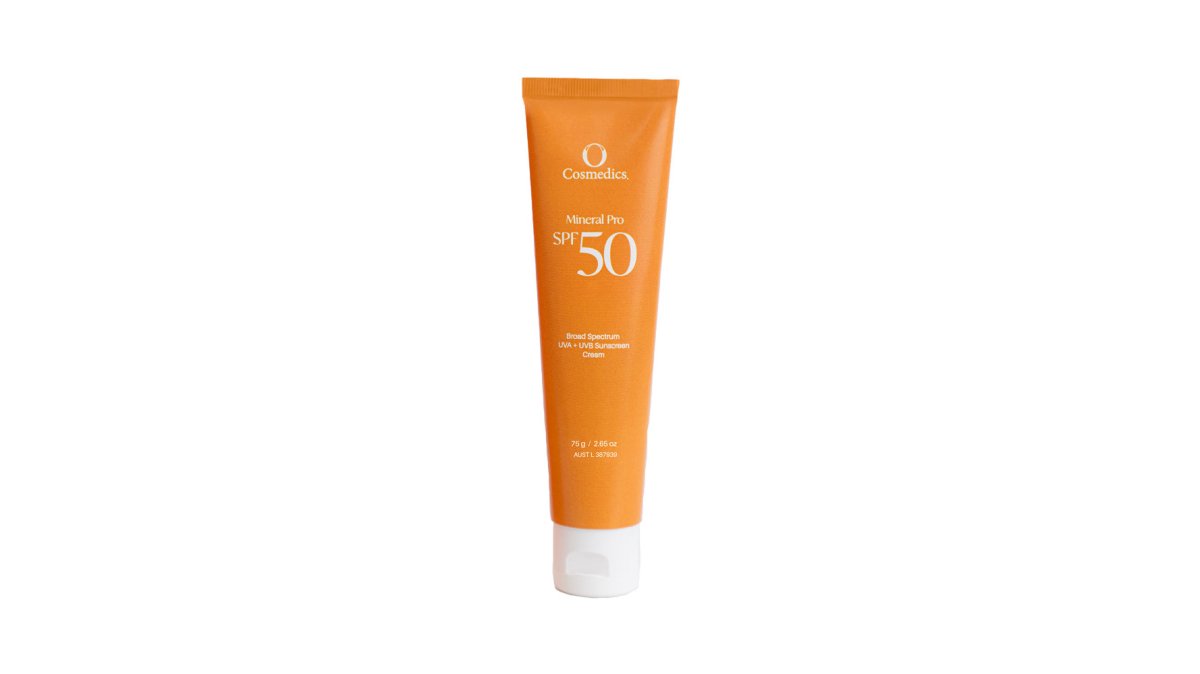
We recommend a mineral formula for reactive skin. Our Mineral Pro SPF 50 Untinted uses zinc oxide for broad UVA and UVB cover, with vitamin E and Kakadu Plum extract, at $69.00.
How to wear it well:
- Apply every morning, rain or shine, indoors or out
- Use enough to cover face, neck and décolletage
- Reapply through the day if you are outdoors
- Pair it with a hat and shade on high UV days
According to the Cancer Council's sun protection guidance, UV damage builds up from everyday exposure, not just beach days. That daily exposure is exactly what keeps pigmentation returning.
Step 4: Understand Laser Treatment for Pigmentation Risks Before Booking
Laser treatment for pigmentation risks are real, and they depend on your skin and the device. Lasers can help stubborn pigment, but they are not a first step and not right for everyone.
The honest picture:
- Some lasers suit lighter skin better than deeper tones
- Melasma can flare after heat and light-based treatments
- Poor aftercare, especially sun exposure, can undo the result
- Results vary, and more sessions are often needed
A qualified practitioner will assess your skin type first and explain the trade-offs. Ask who is treating you, what device they use, and what aftercare they require. If a clinic cannot answer those questions clearly, walk away.
Step 5: Know How Long Pigmentation Treatment Takes
How long pigmentation treatment takes depends on the type and depth of your pigment. Most people see early changes in a few weeks and clearer results over several months.
Set realistic expectations:
- Fading existing spots: often weeks to months of daily use
- Preventing return: a lifelong habit of sun protection
- Laser or clinical treatments: results build across sessions, with recovery time between
Pigmentation is a long game. Consistency beats intensity every time. A serum used daily for three months will usually outperform a strong product used twice and abandoned. This is why we build routines around products you can tolerate, not the harshest option on the shelf.
Common Mistakes That Make Pigmentation Worse
The biggest mistake is treating pigmentation without sun protection. You can spend months on serums and undo the progress with daily UV exposure.
Other common errors we see:
- Layering too many strong actives at once and irritating the skin
- Skipping sunscreen on cloudy days or indoors near windows
- Picking at breakouts, which leaves new dark marks
- Expecting overnight results and giving up too soon
- Booking laser without an assessment or proper aftercare
| Mistake | The Fix | Why It Matters |
|---|---|---|
| No daily sunscreen | Wear SPF 50 every morning | UV is the main trigger |
| Too many actives | Start with one serum | Irritation deepens marks |
| Picking at skin | Let breakouts heal | Prevents new dark spots |
| Quitting early | Commit for months | Pigment fades slowly |
| Skipping assessment | Get a consultation | Right plan for your skin |
If you have sensitive or reactive skin, tell your practitioner. A tailored plan protects your skin barrier while it works.
Conclusion: Treating Pigmentation Safely at The Skin Code
Treating pigmentation safely comes down to three things: the right assessment, the right products for your skin, and daily sun protection. Skip any one and progress stalls.
If you are in North Sydney and want a plan built for your skin, we can help. At The Skin Code, we pair expert advice with luxury care, from corrective serums to clinical treatments, all in a warm, welcoming space. Our focus on both skin health and finishing touches means results that leave you feeling polished and confident.
Book a consultation with The Skin Code and start a pigmentation plan that protects your skin while it works.
Frequently Asked Questions
How can I treat skin pigmentation safely at home?
Start with a gentle routine and a daily broad-spectrum sunscreen, because UV exposure is the main driver of pigmentation returning. Add a corrective serum with ingredients like niacinamide, arbutin or tranexamic acid, and introduce it slowly rather than layering several actives at once. Avoid harsh scrubs and strong acids until your skin has adjusted. If pigmentation is deep, widespread or changing, see a qualified professional for an assessment before continuing at home.
What ingredients help fade pigmentation?
Ingredients for hyperpigmentation that are commonly used include niacinamide, arbutin, tranexamic acid, glutathione and hyaluronic acid for hydration support. The Skin Code's Arbutin & B3 Serum ($55.00) combines arbutin and niacinamide, while the Anti-Mela Toning Serum ($93.00) uses tranexamic acid, niacinamide and glutathione. Brite Lite 30ml ($148.00) is a corrective serum formulated to inhibit excess pigment formation and reduce the appearance of age spots, melasma and uneven tone. Patch test and introduce one product at a time.
Can skin pigmentation get worse after laser treatment?
It can. Laser treatment for pigmentation carries risks including post-inflammatory hyperpigmentation, especially in deeper skin tones or when the wrong laser setting is used. That is why a proper assessment, a test patch and an experienced operator matter more than the device itself. If you are considering laser, ask about the practitioner's qualifications, what aftercare is required, and what happens if your pigmentation darkens. A conservative approach with a lower setting is often safer than an aggressive one.
How long does pigmentation treatment take to work?
How long pigmentation treatment takes depends on the type and depth of the pigmentation. Surface-level sun damage may start to look more even within several weeks of consistent sunscreen and corrective serum use, while melasma often needs months of ongoing management. Pigmentation is also prone to returning with sun exposure, so maintenance matters as much as the initial treatment. Ask your practitioner for a realistic timeline at your consultation rather than judging progress week to week.